B.R.A.G. MEDALLION WINNER

B.R.A.G. MEDALLION WINNER

Wednesday, May 25, 2016

'FREEWAY FRIDA'…HERO 'HAUS'…SNAKEBITE TIPS

Anyone who lives or has lived with a dog knows we canines have heart. If you had your doubts, consider the case if 'Freeway Frida', a 5-year-old German Shepherd who survived for five weeks on a freeway median near Galt, CA,  after tumbling from the back of a truck. Thanks to Galt Police officer Sylvia Coelho and her counterparts from the CHP, the emaciated Frida was finally rescued and brought to the vet where she was treated for two broken bones and severe weight loss. According to the May 24 LA Times report by Daniel Serna, Frida managed to stay alive by sipping scant rainwater and foraging for plants and road scraps. What a lucky, plucky, dog. 
Freeway Frida
While we often tout the myriad virtues of pit bulls, many other breeds are equally amazing. This week's honors go to German Shepherds, specifically Haus, a 2-year-old shepherd who stepped into harm's way when an Eastern diamondback rattler menaced his family's 7-year-old daughter. As reported by ABC News, Haus sustained several bites, resulting in thousands of dollars in vet bills. Thanks to generous donors, a GoFundMe account to cover the expenses has already topped $35,000.
Western Diamondback Rattlesnake
While most dogs 
will never encounter a venomous snake, knowing what to do could save your pup's life in the event it ever happens (from GIMME SHELTER, resource Howie Baker, DVM). "Most rattlesnake venom is “hemotoxic”, meaning that it compromises the integrity of blood vessels, causing swelling that impairs circulation and normal clotting, which can lead to uncontrolled bleeding, shock, and death. The venom of the Mojave rattler is “neurotoxic,” causing rapid paralysis of the respiratory system and suffocation. The seriousness of a bite depends on the type of snake, the size of the dog, and the amount of venom injected. Some bites are "dry" (no venom injected), and only a small percentage of bites are fatal, but all snakebites should be considered serious and treated as emergencies, even in vaccinated dogs. Facial bites are particularly serious, since swelling may block the throat or hinder the ability to breathe. Seek immediate veterinary attention and do not try to cut the bite wound open or suck out the poison. The treatment for a snake bite consists of the following:
  • IV Fluids. Since the most common cause of death from snakebites is circulatory failure, IV support (administration of fluids via catheter), and blood pressure monitoring are very important.
  • Antivenin. Antivenin can be very helpful in the inactivation of snake venom but there is a narrow window (approx. 4 hrs.) during which it must be used. It’s especially crucial with small dogs (and cats), since the amount of venom they receive per pound is much greater than with large dogs.
  • Antihistamines. Injected antihistamines may help with the inflammation from the actual bite and in preventing possible anaphylactic reaction to antivenin
To avoid the anxiety and expense consider investing in avoidance training and having your dog vaccinated. Through the use of a shock collar, the trainer applies a mild stimulus to teach the dog to avoid the sound, smell, and sight of defanged or muzzled reptiles. Check to see if your local Parks & Recreation Department offers avoidance training. In Malibu, group classes start at around $70.00. Rattlesnake vaccine offers protection against the venom of the Western Diamondback and the other rattlers except the Mojave Rattlesnake. Most dogs require two-three doses at a cost of approximately $30/dose. Vaccination offers protection equal to two vials of antivenin, which runs several hundred dollars per vial. 
If I Roll On the Bed and No One's There, Am I Still Bad?
Finally, w
hile some dogs are brave and resilient, we've all known a few that are crafty and disobedient, like this sly pit bull who thinks the coast is clear when his owner leaves the house. Why is it that forbidden fruit is always the sweetest? (watch the video)

Thursday, May 5, 2016

CLOSING IN ON 'NO KILL'…INKY ON THE LAM or OCEAN'S 8 (LEGS)


As proud supporters of Best Friends Animal Society and their No Kill L.A. campaign, we were thrilled to read the recent L.A. Times story by Veronica Rocha about an impressive drop in the kill rates at L.A. County shelters. According to the April 26 report, "The number of euthanizations performed at Los Angeles animal shelters dropped from 8,240 from July to March in 2014-15 to 6,214 for the same period so far this year, according to the latest Los Angeles Animal Services figures. The decrease is due mostly to the city’s partnership with Best Friends Animal Society, an organization leading the No-Kill Los Angeles initiative. “The goal is to transform the city of Los Angeles into no-kill, which means that 90% of the dogs/cats who need sheltering will have a positive outcome,” the agency’s spokeswoman Sara Ebrahimi said. In the past year, NKLA found homes for 27,000 dogs and cats.
Tanner & Eugenie: Thank You NKLA
Do animals think and feel the same way humans do? For centuries it was assumed they didn't, that they were just low levels beings, one step up from plants, that operated on natural instinct. In recent years, though, scientific research has revealed that they are far more sophisticated than first assumed. Books like Carl Safina's "Beyond Words: How Animals Think And Feel", and primatologist Frans De Waal's "Are WeSmart Enough To Know How Smart AnimalsAre" species mourn their dead, use tools, communicate emotions, and even surpass us at simple memory tests. To wit, consider the story of Inky the Octopus (The Week, April 29, 2016), who recently broke out of his tank at the National Aquarium of  New Zealand by squeezing through a gap in the tank, dropping to the floor, then hightailing to a drain pipe that emptied into the sea. Maybe the eight-legged lam-ster got lucky, or maybe he hatched a plan and pulled it off a la Oceans 8 (legs)? According to Waal, "maybe it's time evaluate other species on their own terms, and “stop looking at evolution as a contest,” with just one winner. The truth is that “we are not the only intelligent life on Earth.
Inky, fugitive mastermind of Oceans 8 (Legs)
In a recent Cesar's Way newsletter piece on dog emotions, writer Jon Bastian offers the following from psychologist Marc Bekoff, Ph.D, who suggests that “until the detailed research is conducted we don't really know” whether dogs can or cannot experience the [complex] emotions" but that " there is certainly evidence that other animals can experience complex emotions. Dolphins, elephants, and our non-human primate cousins have been seen to exhibit those complex emotions like shame, guilt, contempt — and pride. According to the story, "Bekoff further argues that we have determined that dogs have all of the same brain structures that we do, as well as the same hormones, both of which are critical to how we react emotionally to the world. Perhaps we haven’t been able to determine one way or another whether they feel complex emotions like pride only because we haven’t figured out how to test for it. Until we know for sure, it’s safest to not anthropomorphize our dogs too much and settle for a middle ground."

Saturday, April 16, 2016

SUPER SHEPHERD…THE PAYOFF TO PET ADOPTION

Thanks to The Week (April 22, 2016) for highlighting Lucca, a U.S. Marine dog that was awarded the Dickin Medal, Britain's top honor for military animals. A retired explosives dog that uncovered more than completed 400 patrols and uncovered dozens of explosive and insurgents, the German shepherd retired in 2012 after she lost a leg to an IED.
War hero 'Lucca'
As our loyal followers know, we're huge advocates of adopting rescue dogs and cats. After all, if mom and dad hadn't stepped up for me, who knows where (or even if) I'd be living right now. If that isn't enough to send you running to your local shelter, The Humane Society of the United States offers some additional food for thought. According to their numbers, between 6 and 8 million dogs and cats (most of them family pets surrendered because of "moving" or "landlord problems") end up in our nation's shelters each year. Of that staggering number, only half will not be adopted. When you factor in vaccinations, spay and neutering, and microchipping, the cost adopting a dog or cat from a shelter or rescue agency is typically less than for those purchased or gotten for free. If money doesn't move you, then consider the latest study on Human-Pet bonding. According to a roundup article by Valerie Burke, MSN for the website greenmedinfo.com
, bonding with pets offers a host of physical and emotional benefits, including better stress management, improved fitness levels, reduced risk for stroke, heart attack and cardiovascular ailments, pain relief from a host of chronic ailments, fewer allergies and a boost to the body's immune system. For children, living with pets has been shown to reduce allergies and boost EQ - empathy and compassion - a key predictor of future academic success.
Tanner sharing the love with our bro-in-law, Ernie, and nephew, Armand
Just because they're good for you,and a great bargain doesn't mean that every pet is right for every potential adopter. As we note in GIMME SHELTER, before you head out to the shelter, it might be wise to do some homework and take a personal financial and emotional inventory to assess 
your needs and abilities. 

  • Ask yourself what you want/need in a dog. Will the dog be your constant companion? Will it have to co-exist with young children? With other dogs or cats? Does your apartment, condo or co-op board have any size or breed restrictions?  
  • Spend some time researching the breed you are considering. Learn what it was bred for and the breed’s general temperament. If you live in a small apartment and aren’t big on outdoor exercise, you might want to avoid a dog that was bred for running. If you are away at work during the day and the dog will be indoors, you might want to consider a low-energy dog. A good resource is The ASPCA Complete Guide to DogsThe more knowledge you have, the better your chances for a successful pairing.
  • Decide how much time and energy you are willing to devote to the dog. Many people overestimate both. As a result, the dog gets shortchanged on exercise and affection, or becomes a burden to the owners, making a failed adoption more likely. Puppies and young dogs generally require more time and patience than older ones.  
  • Include all family members in the selection of the dog. Bringing home a new dog can be chaotic in the best of circumstances. Defining each member’s responsibilities before adoption will help lessen the chaos. Young children may be too physically aggressive for very young puppies or fragile toy breeds. A dog that growls, cowers, raises its hackles, runs from your children, or that is reluctant to be petted is probably not a good choice for families with children.  
  • Spend at least one hour getting to know the dog you are considering. Barring unforeseen events, this animal will be a member of your family for 12 or more years.
  • Find a local veterinarian and discuss canine nutrition and healthcare needs such a checkups and vaccinations. Medical emergencies can be expensive, so you might want to inquire about pet insurance.

Friday, April 1, 2016

HOW TO GRAB YOUR DOG'S ATTENTION…ASSESSING QUALITY OF LIFE


Much as it pains our humans, we dogs don’t live and die on your every whim. That’s why we’ll refuse to ‘come’ when asked to leave the dog park (our 30-minute respite from domestic incarceration), or refuse to ‘stay’ when neighborhood squirrels invade our turf. According to Cesar Millan, a key step in getting us to do your bidding is training us to look at you. “If you can get your dog to focus on you instead of everything else going on around him, it will be easier to communicate with him and teach him other commands — not to mention getting him to ignore that taunting squirrel, far-off bark, or daily visit from the mailman. In addition, that look is also helping to build your relationship with your dog.” To make that happen, he suggests the following approach: Choose a word or phrase to focus your dog. Sit or stand near your dog and hold a treat close to your eyes. Say your attention word and, when the dog looks at you, reward him with the treat. Later on, you should add in a hand signal to accompany the word. Once your dog get the hang of it, begin phasing out the treats but not the affection for completing the task. Like with many things, practice is the key to mastery but don’t tire your dog and never punish him for failing. 
You have my attention, now where's my treat?
A few weeks back, we wrote about knowing when it’s time to say ‘goodbye’. In his recent newsletter, Cesar offers a practical guide to assessing your dog's quality of life and how it might impact the decision to euthanize or not. Among the categories to consider are Hurt, Hunger, Hydration Hygiene, Happiness and Mobility. If your best friend scores very low in most or all of them, then it might be time to say goodbye. When in doubt, consult your veterinarian. 
Connie & 'Ava'
Our friend and rescue volunteer Connie Kruse recently contacted us about Ava, a 6-year old stray pit bull mix from the Santa Barbara County (CA) shelter who she's trying to place. Ava was a stray recently suffered a stoke, but managed to bounce back nearly all the way. She still needs medication to control her condition but she's otherwise in good health. This pretty 90-lb. girl is playful and loving with people and potty-trained. They are looking for a foster or an adopter  who can love and care for her. If you are interested or know anyone who is, please contact STACY SILVA (stacy.silva@sbcphd.org) or call Connie Kruse at 805-878-8017. And please share this with your contacts. You stepped up big-time for Rex last year (3 tries before he found his forever home). Now we need to save Ava. It takes a village to save a dog!

Saturday, March 19, 2016

DOG RESURRECTED…WHO'S IN CHARGE?

What happens when man's best friend goes missing at sea? As reported in this week's L.A. Times, San Diego fisherman Nick Haworth was crushed when his beloved German Shepherd, Luna, disappeared on February 10, while he was working two miles from San Clemente Island, a Navy training site. At first, Nick was optimistic that Luna, a strong swimmer, would make it to shore. When weeks passed and searchers found no trace of the dog, Nick feared the worst. Imagine his joy when Luna turned up at the training facility this past Tuesday, a bit thinner but otherwise in good shape.
Nick reunited with Luna
While my human mom and dad, Eugenie and Lou, like to think they lead our pack, truth is, they sometimes forget the rules and let a certain strikingly handsome pit bull take the reins. In a recent newsletter, dog behavior guru Cesar Millan lists some of the key signs that your pack hierarchy might need fixing, among them: letting your pooch eat before you do, giving him free run of the house (like the bed and sofa), having a dog that pulls on the leash during the walk, and a dog that ignores your commands. i.e., refusing to 'come' when being asked to leave the dog park. For the full list of no-nos, and how to correct the imbalance of power, read the article
Tanner (far right) greeting his pals at the dog park
Speaking of the dog park, as many of you know, we've been regulars at the Trancas Dog Park since it opened in July of 2010. Except for super warm days and rare rainy ones, we make it a point to join the '4 o'clock gang' - Bobby, Cocoa, Rusty, Rocky, Lady, Magnus, Zoe, Alfie - as often as possible. While we dogs do the usual sniffing, running and wrestling, our humans trade gossip and local news. Yesterday brought a nice surprise when a newcomer told Lou that she had just purchased GIMME SHELTER from our soon-to-be-extinct Bank Of Books. While she didn't recognize the writer (time for a new author photo?), she did recognize the cover dog! Thanks to her and to all of the people who've made the book such a positive, fun experience .


Tuesday, March 8, 2016

ALL HAIL 'THE CHAMPIONS'…SAYING 'GOOD-BYE'

As many of you know, ever since the publication of GIMME SHELTER, my humans and I have made a point to provide monetary support for numerous animal rescue charities, including Best Friends Animal Sanctuary. In addition to practical pet advice, Best Friends Magazine offers moving rescue stories, like The Champions (March/April issue), a powerful, upbeat look at Darcy Dennett's documentary of the same name. The film chronicles the fate of Little Red, Handsome Dan, Cherry, and two other dogs that were rescued from Michael Vick's dogfighting operation, and how, with the help of Best Friends and a host of dedicated volunteers, these 'Vicktory' dogs found love and redemption after being saved from their hellish plight. Their successful outcomes helped change the mistaken beliefs that dogfight survivors needed to be euthanized,and that BDLs - Breed Discriminatory Laws -  were the answer to preventing dog attacks. (download the movie here) But there's still work to be done - 12 states still demonize dogfight survivors by labeling them 'dangerous' and insisting that they be euthanized - but thanks to the work of devoted dog lovers and pit bull advocates, 19 other states have banned breed discrimination. This pit bull, for one, looks forward to the day (and may it be soon) when stories like this will seem like relics of a bygone, less evolved age. 
Handsome Dan doing what pit bulls do best
Cherry with Paul & Melissa at his new home
While most of Vick's canine fighters beat the odds and survived their nightmare, a few of the most badly damaged dogs had to be put down. As anyone who has ever faced the choice can attest,  deciding whether or when to euthanize a pet can be a truly gut-wrenching situation. In a recent Cesar's Way newsletter  the famed dog whisperer offered some very helpful and caring tips on how to cope with putting a pet to sleep, like knowing when it's time, understanding the procedure, and allowing yourself space and time to grieve. His parting advice: "Although saying good-bye is the hardest part of our relationships with our dogs, we can console ourselves by remembering that by rescuing that dog we gave it a chance at a happy life in the first place — and left us with many pleasant memories. Once you’re done with the grieving and back in a positive place, the best tribute you can pay to a dog that’s passed is to give another dog a second chance."
Tanner and his babies

Sunday, February 14, 2016

HEART MATTERS: DOGS REALLY DO 'GET' US...A BIG CAT LOOKING FOR LOVE

Today being Valentine's Day, and my dad Lou's birthday, what better time to talk about matters of the heart, the bond between man and his best friend, and creatures looking for love. Just like our human partners, we dogs are susceptible to heart ailments, both physical and emotional. Some of the former are age-related, and some result from diseases such as parvovirus (heart worm), Lyme Disease, and Chagas. To keep your BFF in tip-top shape, dog behavior guru Cesar Millan advises that you give him/her a healthy diet (not too much fatty people food) and plenty of exercise, and that you be aware of symptoms that might signal cardiac issues:  vomiting, swollen belly, fatigue, increased heart rate, fainting, fever, heavy breathing, excessive coughing, loss of weight, discomfort, especially when lying down, and bluish-gray gums. When in doubt, go the the vet. 
with my first Valentine, my late mom, Buzzy, and my first dog, Victory
Do humans love us dogs because we feel your pain?  If you're one of the legion of dog guardians who thinks that your 4-legged pal truly understands your every mood and thought, you may well be right. In an article in ScienceDaily.com  study author Daniel Mills details a recent trial in which dogs showed an impressive ability to 'read' and respond to human emotion. If that's true, and my money says 'yes', then it explains why we canines are so beloved. 
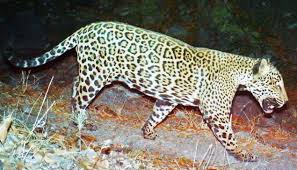
El Jefe
Although Valentine's Day is a human construct meant to pry cold cash from aspiring Romeos and guilty hubbies, via gaudy jewelry and overpriced prix fixe menus at jam packed restaurants, we non-humans share your desire to meet 'the one'. While I don't usually feel much solidarity with felines (with the exception of Gene and Sandra's hulking Burmese brothers Fatty and New Boy) a recent article in the Los Angeles Times left me rooting for El Jefe, 'The Boss', a 4-year-old male Jaguar spotted roaming the Santa Rita Mountains near Tucson. According to the report, Jefe is presumed to be the only wild Jaguar in the U.S. In the spirit of Saint Valentine and interspecies cooperation, here's hoping he has a honey stashed somewhere, and that they're busy making beautiful Jaguar babies. 

Monday, January 25, 2016

FAREWELL TO A FRIEND!

We had hoped that this week's entry would convey good news about GIMME SHELTER but, as often happens in the arts, we're still waiting for Fate to deliver. Instead, we share the sad word that  Charlie, one of Tanner's best and oldest friends, has moved on to the dog park in the sky. Like all Cavalier King Charles Spaniels Charlie was small, but he had the heart of a lion, especially when other dogs dared trespass on the sand in front of his Malibu Colony home. He was 8-years-old, about the age Tanner is now, when the boys first met. True to their characters, Charlie hopped on Tanner's muscular back and started grinding away, letting the pit bull know exactly which of them was the alpha dog. The pattern never changed. If Tanner tagged along for a workout or a cookout, Charlie insisted they 'dance' a bit to get reacquainted. The boys shared many long walks together on the Colony Road and carefree jaunts on the beach, where neighbors gave wide berth to the feisty lap dog and his hulking but docile bodyguard. Charlie was 14 when his kidneys began to fail but his loving  'dad', Carl, and the team at Malibu Coast Animal Hospital kept him going for several more months, the last of which was spent nibbling grass fed New York steak. My fondest memory of Charlie is the day, nearly thirteen years ago, when I showed up for a workout with Carl to find his late wife, our dear friend Roberta, weeping uncontrollably.  "What's wrong?" I asked. Between sobs, she pointed down the beach and gasped, "My dog just ran away!" It was high tide and I was wearing long sweats and high-top sneakers but I took off, tramping through the knee-deep surf, until I found the runaway huddled with a neighbor and his Labs. Like a DB pouncing on a fumble, I scooped Charlie up and splashed back to the house, where I received a hero's welcome. We'll miss you, Charlie. 
Carl & Charlie

As anyone who's ever loved a pet can attest, their loss can shake us as profoundly as the death of a relative. In describing his attempt to cope with the sudden death of his beloved Doberman, Red, Washington Post Food & Dining Editor Joe Yonan had this to say: I'm no stranger to death. I was a mess of anger and confusion when my father, suffering the aftermath of a stroke, took his last gasps one day in 1995, his children gathered around his hospital bed. And three years later, the death of my sweet, beloved sister Bonny after a withering battle with brain cancer was nothing short of heartbreaking. Yet somehow, and much to my distress, the death of my dog seems even harder. I haven't felt grief quite like this since, well, the death of my previous dog five years ago. (read the entire article)

Tanner & Charlie

Tuesday, January 5, 2016

I WAS A DOG. I DID MY BEST.


With Tanner’s permission, we start the New Year on a bittersweet note. For the sweet part, we’re relieved to report (yet again) that our canine nomad Rex has found a home. According to a friend who volunteers at the Best Friends Sanctuary in West L.A. Shortly after his failed Thanksgiving adoption, a gay married couple stepped up and took him home with them. We have a our fingers (and paws) crossed, hoping that this one sticks, and that this doggie soap opera (As The Bone Turns?) has drawn to a final, happy close. 
Rex - fingers crossed!
As Rex begins his new adventure, another of our doggie bffs is fast approaching the end of his. The little guy has lived a long, happy, pampered life but lately his organs have begun to fail. Like all of us, he’s facing a relentless, undefeated foe – Father Time. It’s probably a shortcoming of my character but, ever since I was a boy, animals, and family pets in particular, have always touched me in a way my human counterparts don’t. Thinking about our friend's aging pup, I happened to recall an article by writer Jim Krusoe that I read in the L.A. Times Book Section in December 1993 in which he detailed his lifelong infatuation with dogs. It moved me then and it moves me now, and so I thought I’d share a bit of it: 

“And yes, like Rilke, I love dogs because they do trust us to figure out their problems and their pain, whereas I am incapable of even scratching the surface of my own. My favorite memory of my current dog (a setter--English, not Irish, just to show that like my parents, I too am capable of surprise in my advancing years) is of one day when he was six-months old and disappeared while out on a walk in the hills around our house. I found him thirty minutes later, apparently having chased a rabbit into a cactus patch, covered from the top of his head to his tail with broad, flat spines. Embroidered as he was with inch-long spikes, he simply refused to move and waited for me to come and find him, which I finally had. To remove the spines with a bandanna wrapped around my hand took another half an hour, and when I was finished he just got up, wagged once, and went looking for another bunny. I have the same dog now. I had chosen an English setter for the breed's elegance and grace, but this one grew to a goofy giant of an animal with enough lip and jowl to sew into a beach blanket. Still, he has that look, and stares at me now, patiently waiting for me to open a door to let him out so he can run out into the back yard to bark at imaginary thugs and robbers and thus feel as if he's accomplished something for the day. Which after all, may be the final reason I am so fond of dogs. Unlike us, they can act and not know what it is to measure themselves against every other dog who has ever barked into the vacant air or to doubt the importance of the act itself. For them, at the end, they can simply say, "I was a dog. I did my best. Now it is finished." (entire article)
Tanner & Charlie @ Colony Beach, Malibu, 2009
Rebell @ Cape Cod circa 1987
with Dudley (aka - The Man-Killing Pug) circa, 1998
Eugenie withRoxanne (the Dalmation from Hell) and Blanche cica 1995